
Topic 04
Wellness and well-being
Wellness and well-being in everyday life: evening ritual, facial massage, sleep and relaxation explained plainly, with sources and when to see a doctor.
Topic 03
What does the packaging say, and where can you check it? This guide explains cosmetic ingredients in plain language, with named sources.

By Luljeta Dine, Beauty Director at AQAFACIAL™, author and expert in cosmetics, wellness and well-being.
Every cosmetic product lists its ingredients, but not every name tells you something. This guide shows you how to read the list, where to look up a single substance and how much weight to give an advertising claim. It is meant as orientation for skincare and cosmetics. It does not replace medical advice and it does not diagnose anything.
On the packaging, the ingredients appear under the heading "Ingredients". Ingredients above 1 percent are listed by weight in descending order; below 1 percent the order is free (Regulation (EC) No 1223/2009, Article 19). So the main components come first, and the last entries can be present in very small amounts. The names follow the international nomenclature for cosmetic ingredients, INCI for short. Some manufacturers print a translation as well, but unlike the required list, a translation does not have to be complete (Verbraucherzentrale, in German).
Small items such as lipsticks often carry no list on the label. In a shop the list must be displayed at the shelf or stand, so ask if you cannot find it. When you buy online, prefer shops that show the complete list (Verbraucherzentrale, in German).
A plant extract is often highlighted or pictured on the front even though only a very small amount is in the product. With an aloe shampoo, for example, it stays unclear how much aloe vera it really contains (Verbraucherzentrale, in German). So turn the package around: the ingredient list tells you more than the claim on the front.
Most fragrance substances may be grouped under words such as "parfum", "aroma" or "fragrance". Previously only 26 fragrance substances had to be named individually, and only above certain concentrations. The list of labelled allergenic fragrances now covers more than 80 substances: products newly placed on the market must comply since August 2026, all products on sale from August 2028 (Verbraucherzentrale, in German).
The European Commission runs CosIng, a database with information on cosmetic substances and ingredients and a glossary of common ingredient names for labelling. The Commission states that CosIng has an informative purpose and no legal value. Whether a substance may be used in cosmetics is regulated in Regulation (EC) No 1223/2009, not by an entry in the database (European Commission).
The Scientific Committee on Consumer Safety (SCCS) publishes opinions on individual substances. These are scientific assessments, so they are a good place to go when you want to know how safety has been judged (European Commission).
The German topic area Inhaltsstoffe holds further guides and encyclopedia entries (in German).
Start with the list on the pack and read the first entries, because the main components are listed there. Then check unfamiliar names in CosIng. Treat marketing words such as "pure" or "active" as claims, not as facts about content: according to the Verbraucherzentrale, cosmetics advertising often promises more than the product delivers (in German). If something irritates your skin, stop using it.
More about the author is on the page About Luljeta Dine. Back to the start page.
If a product causes a rash or worse, see a doctor to find out which component is responsible. Keep the suspected product and take it with you (Verbraucherzentrale, in German). The same goes for pain, swelling or skin changes that do not go away. This guide describes cosmetic care. It cannot examine your skin or treat a skin condition.
INCI is the international nomenclature for cosmetic ingredients. The names on the pack under "Ingredients" follow it (Verbraucherzentrale, in German).
Ingredients above 1 percent are listed by weight, from the largest share to the smallest; below 1 percent the order is free (Regulation (EC) No 1223/2009, Article 19). The main components therefore come first (Verbraucherzentrale, in German).
Mostly not. Fragrance substances may often appear under "parfum" or "aroma". Previously only 26 had to be named individually; the list of labelled allergenic fragrances now covers more than 80 substances, binding for newly placed products since August 2026 and for all products on sale from August 2028 (Verbraucherzentrale, in German).
In the CosIng database of the European Commission and in the SCCS opinions. CosIng is for information only and has no legal value (European Commission).
Stop using it, see a doctor if you get a rash or stronger symptoms, and keep the product. You can also report the effect informally to the manufacturer, the retailer or the food control authority (Verbraucherzentrale, in German).
Last updated 11 November 2026
Updated 11 November 2026
Read
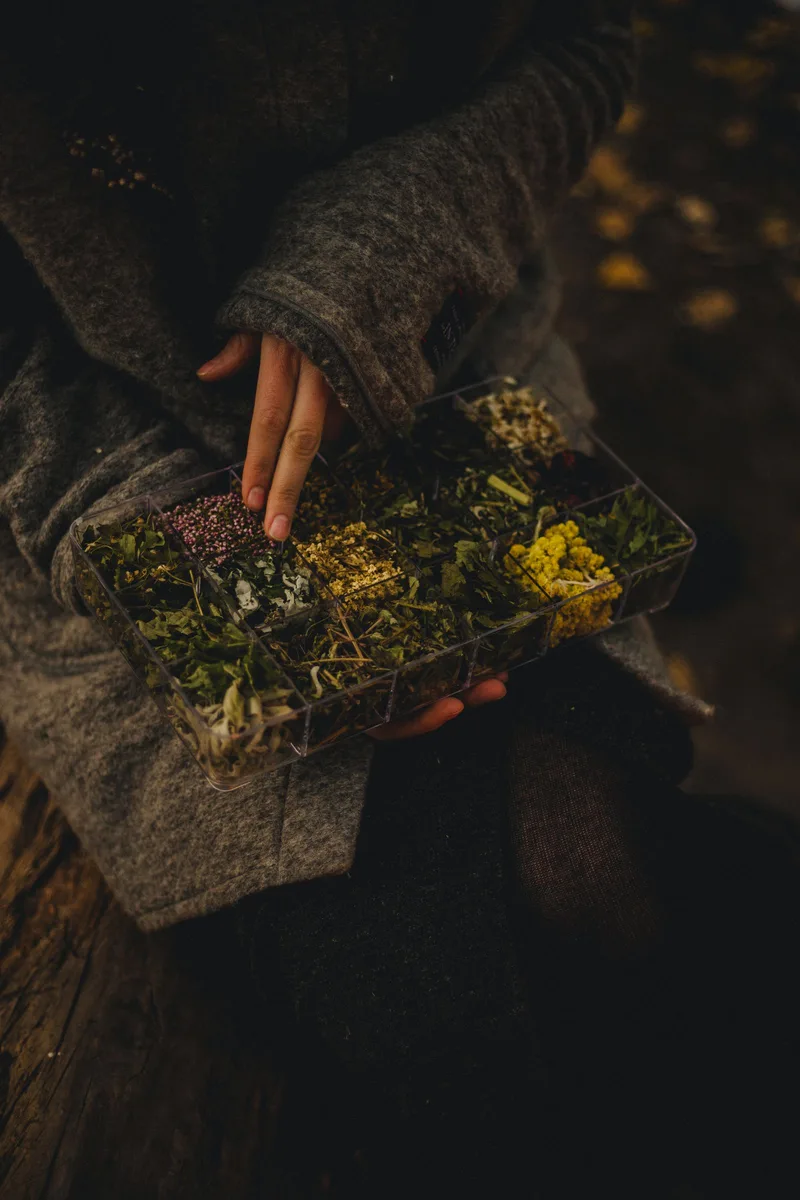
Ingredients
Read the ingredient list on cosmetics: order by weight, the 1 percent line, fragrance and allergens, unknown names. With sources and when to see a doctor.
Ingredients
How to start with retinol: go slowly, protect your skin from the sun, know the EU limits and the vitamin A label. With named sources.
More topics
Topic 04
Wellness and well-being in everyday life: evening ritual, facial massage, sleep and relaxation explained plainly, with sources and when to see a doctor.
Topic 01
Facial skincare in plain English: routine, cleansing, moisturiser, eye care and skin type, plus how to read a label and when to see a doctor. With sources.

Topic 02
Peelings, facials, devices and the original AQAFACIAL™ treatment in plain language: what to expect, what the law says about devices, when to see a doctor.