Topic 01
Skincare and cosmetics
Facial skincare in plain English: routine, cleansing, moisturiser, eye care and skin type, plus how to read a label and when to see a doctor. With sources.
Topic 04
Small rituals for everyday life: an evening routine, facial massage, sleep and relaxation, explained plainly and with named sources.
By Luljeta DineUpdated 11 November 2026
Wellness here means small, steady habits that feel good in everyday life: a calm evening, a few minutes for your face, a place to sleep that invites rest. That is enough to start with. This page sorts the topics and points you to the guides that explain each one in more detail.
This area is part of the work of Luljeta Dine, Beauty Director at AQAFACIAL™, author and expert in cosmetics, wellness and well-being. You can read more about her on the page About Luljeta Dine. The start page shows all topic areas at a glance.
One note first: wellness is an experience on this site, not a health promise. An evening ritual can feel relaxing. That is a description, not a guarantee, and it is no substitute for medical advice.
An evening ritual is a fixed sequence of a few small steps that closes the day. It can take ten minutes and consists of things you probably do anyway: cleanse your face, apply your care, dim the light, breathe calmly. Its value lies in repetition, not in the length or the number of products. The guide Evening ritual in ten minutes shows one sequence and a short version for evenings when time is tight.
A gentle facial massage with your hands can feel pleasant, and it is a simple way to give yourself a moment of attention. How firm the pressure may be, how long it takes and when you should skip it, for example with inflamed or injured skin, is covered in the guide Facial massage at home. It stays with what can be described as well-being and makes no claims about wrinkles or firmness.
Sleep is a subject of its own, with many open questions. The guide Sleep and skin: what is proven? sorts out what the evidence supports and what it does not. The independent health information service Gesundheitsinformation.de, run by the Institute for Quality and Efficiency in Health Care (IQWiG), gives the following orientation: adults sleep about seven hours on average, and the need varies from person to person. If it takes around half an hour to fall asleep after the light goes out, that is normal and no cause for concern.
There are many ways to relax, and several can be tried at home. For the question of what helps with sleep problems, IQWiG states that there are so far hardly any meaningful studies. Commonly used measures include relaxation techniques such as progressive muscle relaxation and autogenic training, breathing exercises, meditation, gentle movement such as an evening walk, listening to music, and a warm shower or bath. Courses on relaxation techniques are offered, for example, by health insurers and adult education centres, and the techniques can also be learned with video or audio guidance (IQWiG page on relaxation and stress management, written for fibromyalgia).
These points come from the IQWiG page on sleep problems and describe habits, not treatments:
No. Whether you can keep it up matters more than its length. Ten calm minutes are a realistic frame for most evenings.
No. A ritual lives from its sequence, not from a product list. You can work with what you already use.
That cannot be promised. The IQWiG page names relaxation techniques, breathing exercises, gentle movement and music as options, and says at the same time that there are hardly any meaningful studies on what helps. As a habit, a ritual can be pleasant. It is not a remedy.
According to IQWiG, adults sleep about seven hours a night on average. Sleep duration differs from person to person.
IQWiG gives this orientation: specialists speak of a sleep disorder when the problems occur on at least three nights a week, last longer than a month and affect quality of life. For questions about your skin, you can find a dermatologist via the German Dermatological Society's page on finding a dermatologist (in German). More follows in the section "When to see a doctor".
A wellness ritual does not replace an examination. Seek medical advice for sleep problems that last, for pain, for skin changes that are new, changing or not healing, and for anything that worries you. Whether a relaxation technique suits you is something to clarify with your doctor if you have an existing condition.
Luljeta Dine, Beauty Director at AQAFACIAL™, author and expert in cosmetics, wellness and well-being.
Updated 11 November 2026
Read
Wellness and well-being
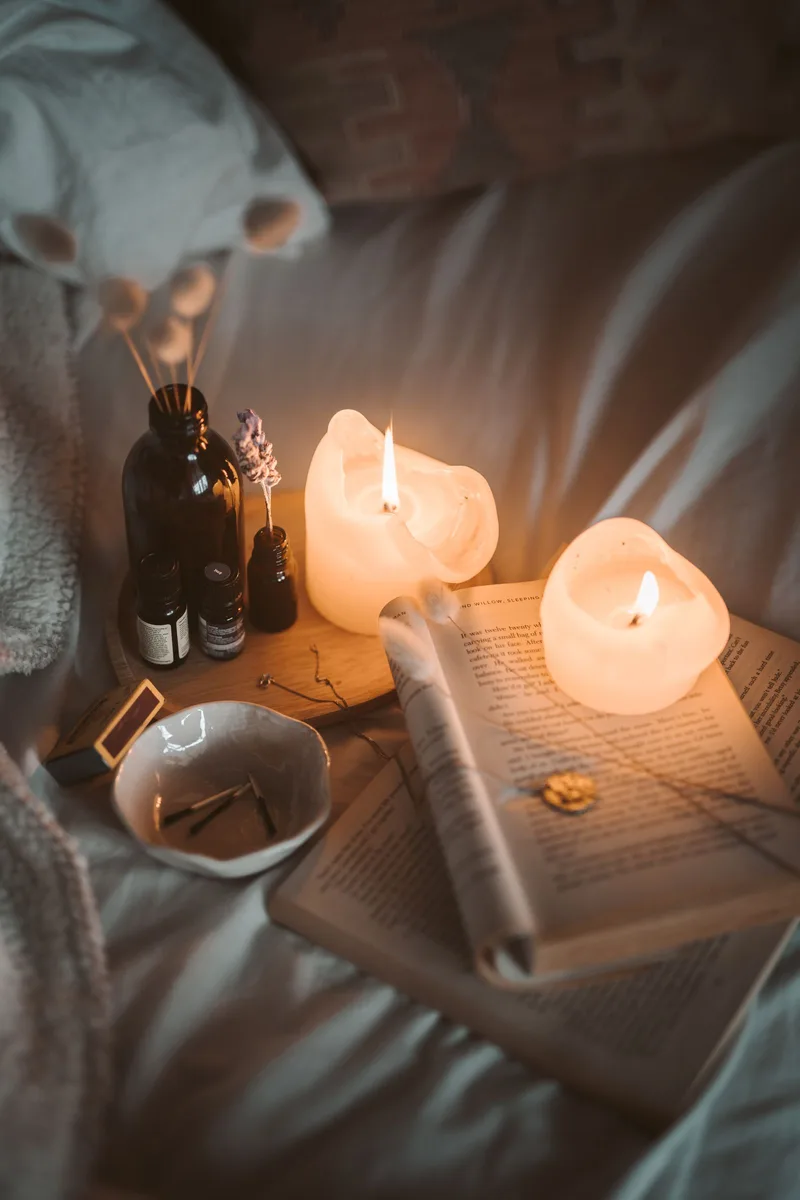
A ten-minute evening ritual: dim the lights, cleanse and moisturise, breathe slowly, close the day. With a three-minute version and what the sources say.
Wellness and well-being
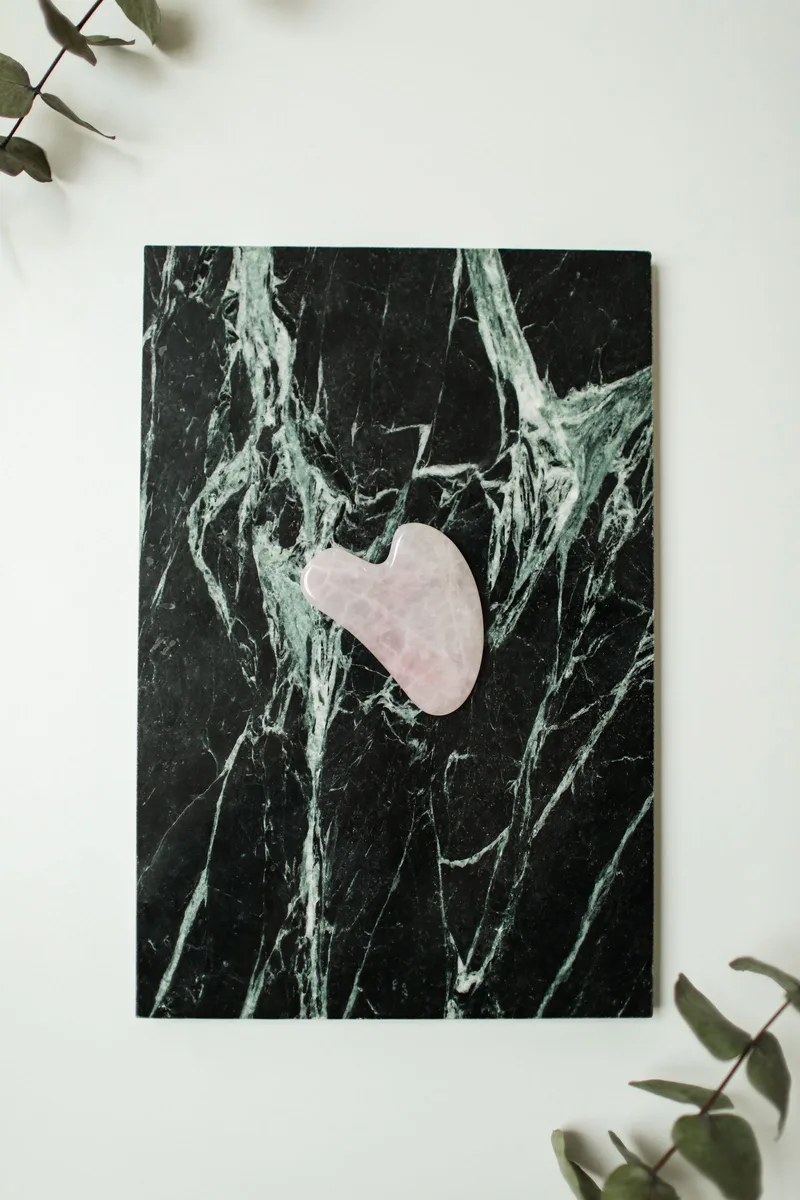
Facial massage at home in six steps: preparation, gentle strokes, pressure and time, plus sources and when to skip it. By Luljeta Dine.
Wellness and well-being
Does too little sleep harm skin? What small studies show, what stays open and why no study shows that a cream replaces sleep. With sources.
More topics
Topic 01
Facial skincare in plain English: routine, cleansing, moisturiser, eye care and skin type, plus how to read a label and when to see a doctor. With sources.
Topic 02
Peelings, facials, devices and the original AQAFACIAL™ treatment in plain language: what to expect, what the law says about devices, when to see a doctor.
Topic 03
How to read an ingredient list, what INCI means, why fragrance can hide behind one word and where to look up a substance. With named sources.