Topic 03
Cosmetic ingredients
How to read an ingredient list, what INCI means, why fragrance can hide behind one word and where to look up a substance. With named sources.
Topic 02
What counts as a cosmetic treatment, and where does cosmetics end and medicine begin? This guide sorts it out, with a source next to every factual claim.

By Luljeta Dine, Beauty Director at AQAFACIAL™, author and expert in cosmetics, wellness and well-being.
A cosmetic treatment is a care routine you book instead of doing it at home: a professional looks at your skin, cleanses it, may peel it gently and finishes with care. This guide explains the common kinds, shows you what to ask before an appointment and draws the line to medicine. Everything here is information about care. It is not a diagnosis and does not replace medical advice.
More about the author is on the page About Luljeta Dine. The German version of this topic links further guides that are not yet available in English.
Peelings. A peeling loosens dead skin cells from the surface, for example with a mild scrub or with water and a peeling solution. You can do a gentle version at home, and a studio offers other methods. The guide Peeling: at home or in a studio? compares the options.
Facials. "Facial" is an umbrella term. Many start with a talk about your skin and a cleansing and end with care. In between, the steps differ from studio to studio, and some work with devices. The article Facials at a glance (in German) shows what hides behind the names.
Device-based treatments. Some studios use machines, from water-based peeling heads to lasers and intense light. For a part of these, the law sets rules (see the next section).
The original AQAFACIAL™. AQAFACIAL™ is a brand of facial treatment. The original AQAFACIAL™ is a cosmetic facial that works with water: it cleanses, peels gently with the Hydrapeeling, cleans the pores, supplies moisture and finishes with care. The peeling needs no scrubbing. The aim of the treatment is a fresh complexion with a glow. AQAFACIAL™ is a care treatment and not a medical one. The step-by-step description, the benefits and the preparation are on the page AQAFACIAL™ treatment: process and glow (in German).
Devices that use non-ionising radiation, such as lasers and intense light sources, are regulated in Germany by the ordinance NiSV. According to § 1, it applies to the commercial operation of equipment that uses non-ionising radiation on people for cosmetic or other non-medical purposes.
Two rules matter for you as a client:
What does that mean for you? Before an appointment with a device, ask who operates it and which training they have. A good studio answers without hesitation. If a treatment sounds like one of the reserved applications, it belongs in a medical practice.
In Germany, "cosmetician" (Kosmetiker) is listed in Annex B, section 1, of the Crafts and Trades Code as a craft that anyone may start without a master's certificate. There is also a master's examination in the cosmetics trade, as the Munich and Upper Bavaria Chamber of Crafts describes. The word "cosmetician" on its own therefore says little about training. If it matters to you, ask which qualification the person has.
Luljeta Dine is a state-examined cosmetician, specialist cosmetician, dermatherapist and beauty specialist. Her work is about cosmetic skin care and not about medical treatment.
Cosmetics care for the skin; medicine looks after illness. For devices, § 5 (2) NiSV reserves certain applications for licensed doctors, among them tattoo removal, the treatment of vascular and pigmented skin changes and applications that break the skin's protective barrier. If a skin change worries you, see a doctor first.
No. Skin diseases belong with a doctor. The consumer advice centres advise seeing a doctor for unwanted reactions such as a rash. The German Dermatological Society offers a search for dermatologists.
Often not. According to the consumer advice centres, advertising frequently promises more than the product delivers, and visible wrinkles cannot be "creamed away". Read claims critically before you book and ask for the process to be explained.
If lasers or intense light sources are used for cosmetic purposes on a commercial basis, the operator has to make sure that the person using them has the expertise required by §§ 4 and 5 NiSV. Ask before the appointment who uses the device and which training they have.
If you have a rash, pain, inflammation, a discolouration or a skin spot that changes, see a doctor before you book a treatment. Do the same if you notice an unexpected reaction after a treatment. A dermatologist can examine the skin, which no cosmetic treatment can do. The German Dermatological Society lists specialists in its search for dermatologists (in German).
Last updated 11 November 2026
Updated 11 November 2026
Read
Treatments
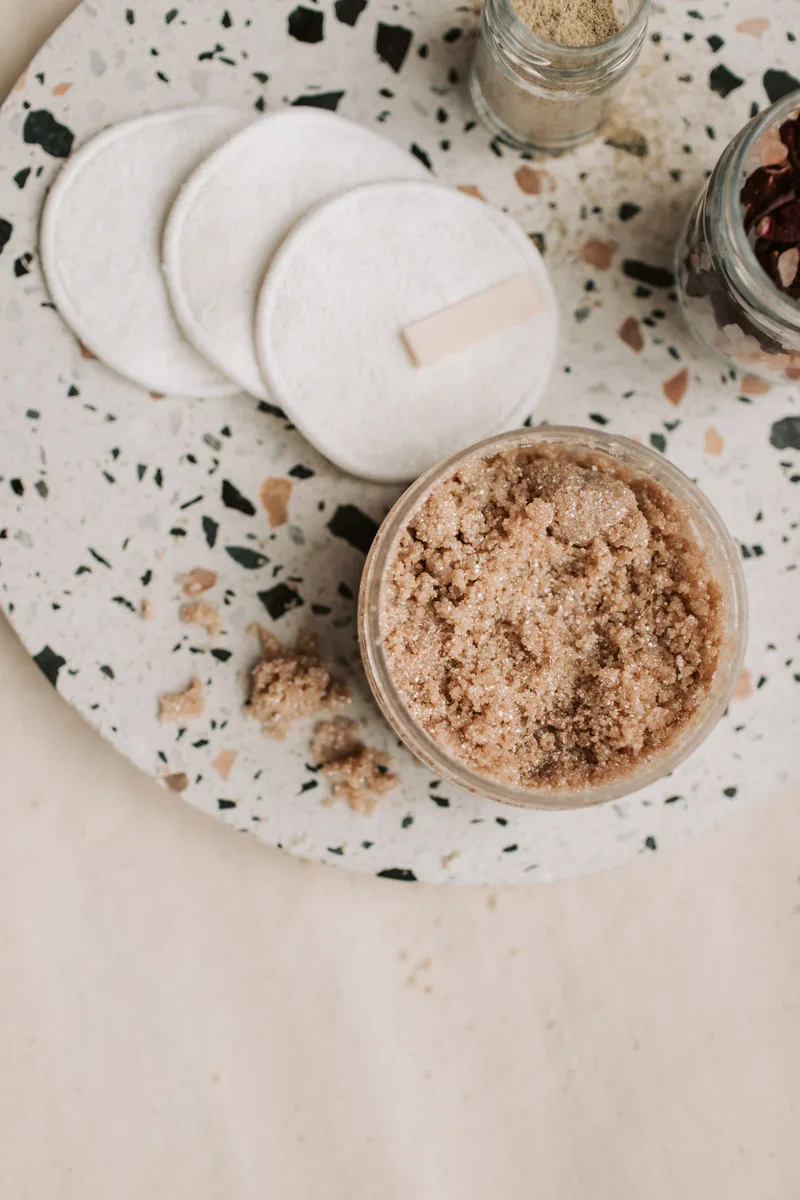
Peeling at home or in a studio? Mechanical, enzyme or acid peels: what German consumer sources say about frequency, limits and sun protection.
More topics
Topic 03
How to read an ingredient list, what INCI means, why fragrance can hide behind one word and where to look up a substance. With named sources.

Topic 04
Wellness and well-being in everyday life: evening ritual, facial massage, sleep and relaxation explained plainly, with sources and when to see a doctor.
Topic 01
Facial skincare in plain English: routine, cleansing, moisturiser, eye care and skin type, plus how to read a label and when to see a doctor. With sources.